Master Handyman & Remodeling Services Blog
Hardwood Floors: Repair, Refinish or Replace?
Compare hardwood flooring options by reviewing the floor's condition, product type, layout and the desired finished appearance.
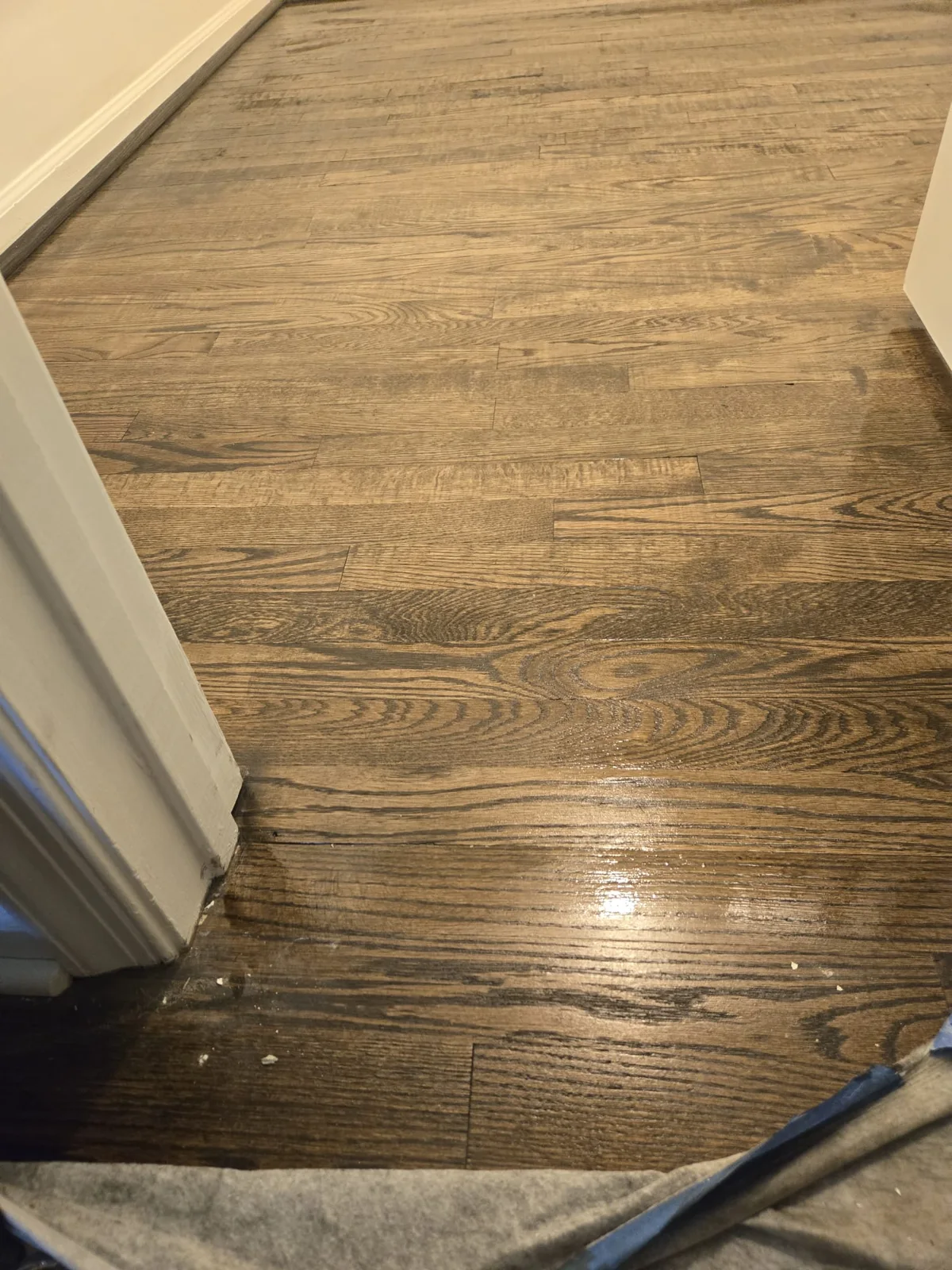
Identify the floor you have
Before deciding on a finish, gather what you know about the flooring product and its history. Solid wood, engineered products and wood-look materials do not offer the same options. Look for spare boards, invoices or product labels rather than relying on appearance alone. Note any previous refinishing if known. Photograph the entire room and close-ups of worn or damaged areas. An assessment needs to establish the actual material and condition before anyone can reasonably determine whether refinishing or a targeted board repair is suitable. Note areas normally covered by rugs or large furniture. Differences between covered and exposed flooring can affect how you judge the appearance of a repair or proposed new finish.
Separate surface wear from other concerns
Scratches, worn finish, movement and moisture-related damage are different conditions. Describe when you first noticed the problem and whether it is changing. If a leak or persistent moisture is involved, that condition should be addressed before new flooring work proceeds. Do not cover a recurring issue with a cosmetic fix. Our flooring and tile service can discuss what is visible and which parts need further evaluation. The goal is to connect the proposed finish with a suitable underlying floor.
Understand the limits of matching
A localized repair depends on compatible materials and the appearance of the surrounding floor. Even a matching species can differ in grain, age and color. Older finishes may also have changed with light and use. Ask whether the desired result calls for a small repair, a wider finishing area or another approach. Keep expectations specific: improved function and a perfect visual match are separate outcomes. Review any sample or proposed finish in the room, including the lighting and adjacent flooring that will remain unchanged.
Plan the room and adjoining spaces
Floor work affects furniture, circulation and access to closets or connected rooms. Discuss who will move belongings and how large items will be handled. Identify thresholds, stairs, baseboards and changes in floor height that belong in the scope. If a new material is being considered, confirm how it meets existing doors and other surfaces. Related trim and carpentry work may need coordination. Ask about the selected products' readiness-for-use instructions and care requirements before relying on the room for normal household activity.
Compare options using the same boundaries
Prepare a priority list: preserve existing material, improve appearance, address damage or change the room's overall finish. Bring product records and photos to the conversation. Ask each proposed option to include preparation, material work, transitions and finish responsibilities so the comparison is meaningful. A lower material quantity does not always mean a smaller overall scope. Call Master Handyman & Remodeling Services at (703) 843-1355 to discuss hardwood floor repairs and improvement options for your specific home.